Designing Your Home: 10 Ideas for Every Room
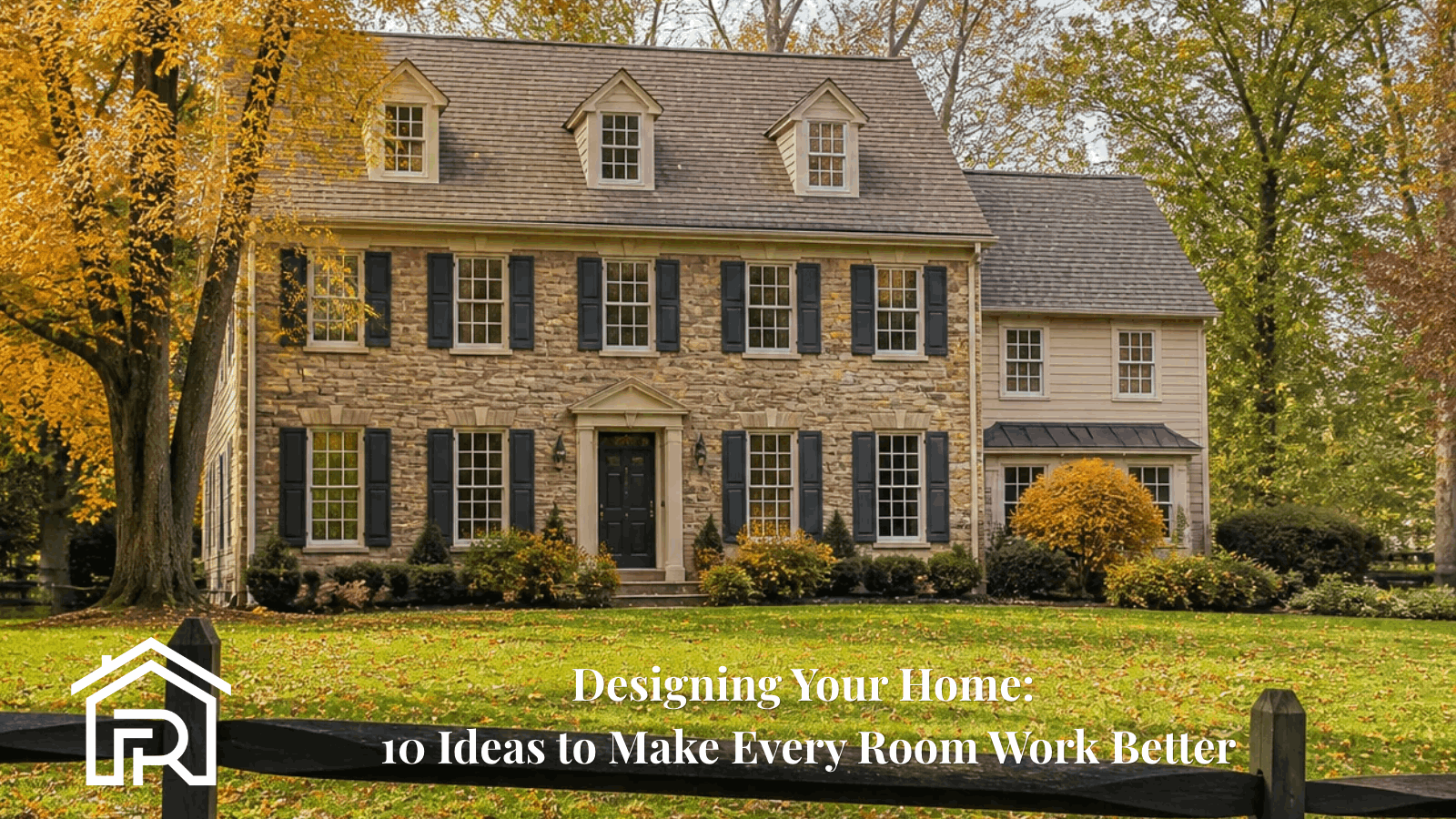 Designing Your Home: 10 Ideas to Make Every Room Work Better
A well-designed home isn't about following trends or filling a room with expensive things. It's about making your space work for the way you actually live, and feel like yours. Whether you just closed on a new home or you've lived in yours for years, these ten ideas can help you get more out of every room.
1. Start With How You Live
Before you buy a single pillow, think about how each room is really used. Where do you drop your keys and bags? Where does the family gather? Which room feels awkward, and why? Write down what works and what frustrates you. Good design starts with solving real problems, and that list becomes your roadmap.
2. Plan the Layout and Flow
A room can have beautiful furniture and still feel off if you can't move through it easily.
- Leave clear walkways. Aim for about three feet of space along main paths.
- Arrange seating for conversation. Chairs and sofas should face each other, not just the TV.
- Don't push everything against the walls. Pulling furniture in a bit can make a room feel more intimate.
- Give each area a purpose. In open floor plans, use rugs and furniture groupings to define zones for dining, lounging, and working.
3. Layer Your Lighting
Lighting changes how a room feels more than almost anything else. Instead of relying on one overhead fixture, combine three types:
- Ambient: the general light, from ceiling fixtures or recessed lights
- Task: focused light where you work, like under-cabinet lights or a reading lamp
- Accent: softer light that adds warmth, like table lamps or picture lights
Choose warm-toned bulbs for living spaces, and add dimmers where you can so you can adjust the mood.
4. Choose a Cohesive Color Palette
You don't need to stick to neutrals, but a clear palette keeps a home feeling calm and connected.
- Pick two or three main colors and repeat them throughout the house.
- Try the 60-30-10 guideline: about 60% of the room in a dominant color, 30% in a secondary color, and 10% in an accent.
- Test paint in your own light. Put large swatches on the wall and look at them in the morning, afternoon, and evening before you commit.
- Don't forget the ceiling and trim, which can tie a room together.
5. Get the Scale Right
Furniture and decor that are too small can make a room feel sparse, and pieces that are too big can feel cramped.
- Choose a rug large enough that at least the front legs of your seating sit on it.
- Hang art at about eye level. A common guideline is to center it roughly 57 inches from the floor.
- Use curtains to add height. Hang rods closer to the ceiling than the window frame to make ceilings feel taller.
6. Add Texture and Warmth
A room made of only smooth, matching surfaces can feel flat. Mix textures to add depth: wood, wool, linen, woven baskets, ceramic, and metal. Layered textiles like throws and pillows are an easy, affordable way to make a space feel inviting, especially in colder months.
7. Make Storage Part of the Design
Clutter is the fastest way to make a nice room feel stressful.
- Create a landing zone near the entry with hooks, a bench, and baskets.
- Use built-ins or shelving to take advantage of vertical space.
- Choose furniture with hidden storage, like ottomans and benches.
- Edit regularly. The best storage solution is owning a little less.
8. Bring in Greenery and Natural Light
Plants add color, life, and softness, and they're one of the simplest upgrades there is. Pair them with light, sheer window coverings, and add a mirror opposite a window to bounce light around. If you're short on light, choose low-light plants like pothos or snake plants.
9. Update the Hardest-Working Spots
Kitchens and bathrooms get the most use, but you don't need a full remodel to freshen them up. Budget-friendly updates that make a big difference include:
- New cabinet hardware and faucets
- A fresh coat of paint on walls, or even on cabinets
- Updated light fixtures
- A new backsplash
- Fresh towels, mats, and a good shower curtain in bathrooms
10. Respect Your Home's Character
Every home has a personality, and the best design builds on it.
- In an older or historic home, keep original details like trim, built-ins, hardwood floors, and fireplaces, and let them be the stars. Pair them with updated lighting and comfortable, simple furniture.
- In a newer home, add character with trim details, texture, art, and warm materials, since newer construction can feel plain without them.
Either way, design with the home instead of fighting it.
Phase It and Set a Budget
You don't need to do everything at once. Start with the changes that are least expensive and most noticeable, like paint and lighting. Live in a room for a few weeks before buying big pieces, so you know what it actually needs. Spreading projects over time also makes it easier to choose well rather than rush.
A Quick Note on Resale
Make your home your own, but keep long-term value in mind. Bold, personal choices work best in easy-to-change places like paint, art, and furniture, while big-ticket fixed items like flooring, countertops, and cabinetry tend to hold up best when they're timeless and neutral. If you ever do sell, restoring a few simple things is much easier than undoing a major renovation.
The Bottom Line
Great design is less about perfection and more about intention. Pay attention to how you live, build on what your home already offers, and make changes one thoughtful step at a time. Your home should work for you, and feel like you.
Thinking about a move, or curious what a project could mean for your home's value? Contact Foraker Realty — we're always happy to talk it through.
Categories
Recent Posts